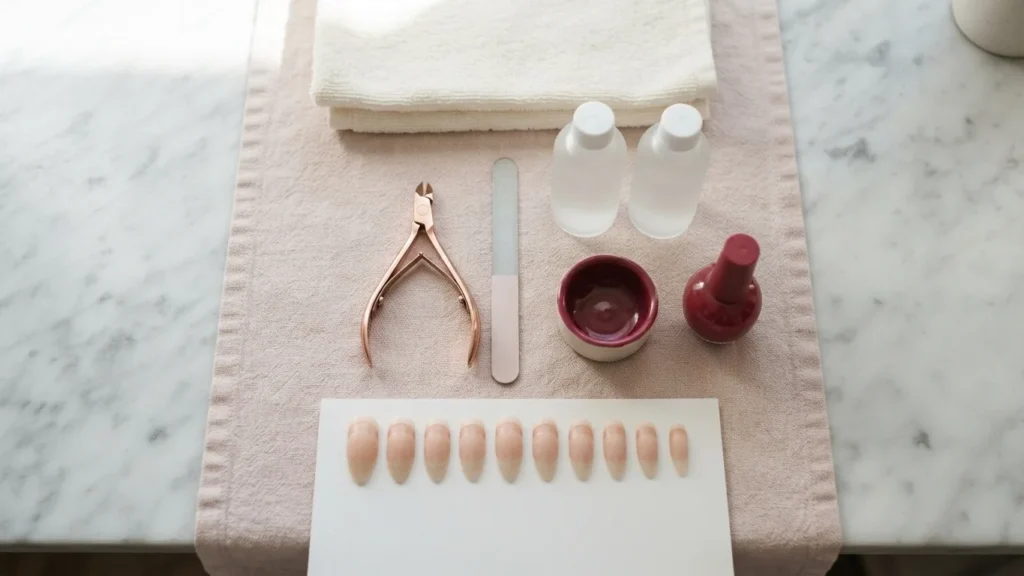
How long do acrylic nails last is really three questions wearing one coat of gloss. A fill is due every 2 to 3 weeks once your natural nail grows out a visible gap at the base. A full set holds about 4 to 6 weeks before it should be redone. And with infills kept on schedule, the same set can run for months. The one move to skip: letting a lifted edge go, because going too long risks lifting or breakage. Match the clock to your situation rather than waiting for the acrylic to look bad.
The short answer. Acrylic lifespan is measured in three separate windows, not one. Plan a fill at 2 to 3 weeks to close the regrowth gap, stretchable toward 4 weeks with careful handling. A full set runs 4 to 6 weeks before replacement, with eight weeks as the outer limit. Infills every 2 to 3 weeks can extend wear for months, and a full removal is still advised roughly every three months to check the natural nail. Growth rate, shape, and water exposure move every number. Shine does not mean a fill can wait.
Your natural nail growth sets the maintenance clock, not the acrylic
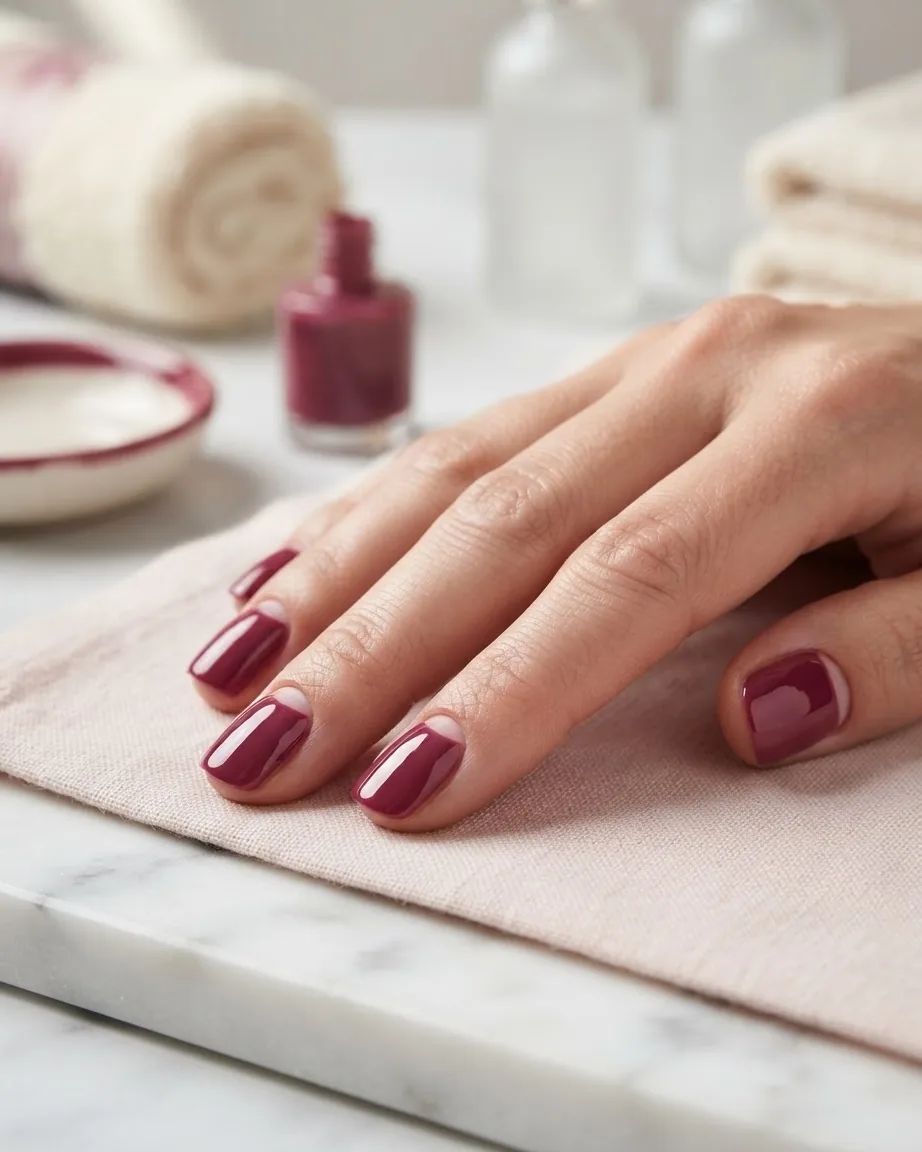
A set rarely fails because the acrylic quit. It needs attention because the natural nail grew, leaving a bare strip at the cuticle while the hardened product stays put. Blys describes this plainly: the regrowth gap, not the acrylic itself failing, is what drives the standard infill schedule. That reframes the whole question. A set can stay glossy and intact up top while the base is structurally due. Element Nail Bar Arcadia makes the same point about the growth area signalling maintenance even when the surface still looks new.
Growth speed is personal and seasonal. Per Blys, fast growers may need an infill near the two-week mark, while slower growth can stretch closer to three weeks. There is no universal date on a calendar, only your own nail plate moving away from the cuticle.
See also: our gel nail extensions guide.
How long do acrylic nails last on average before a fill
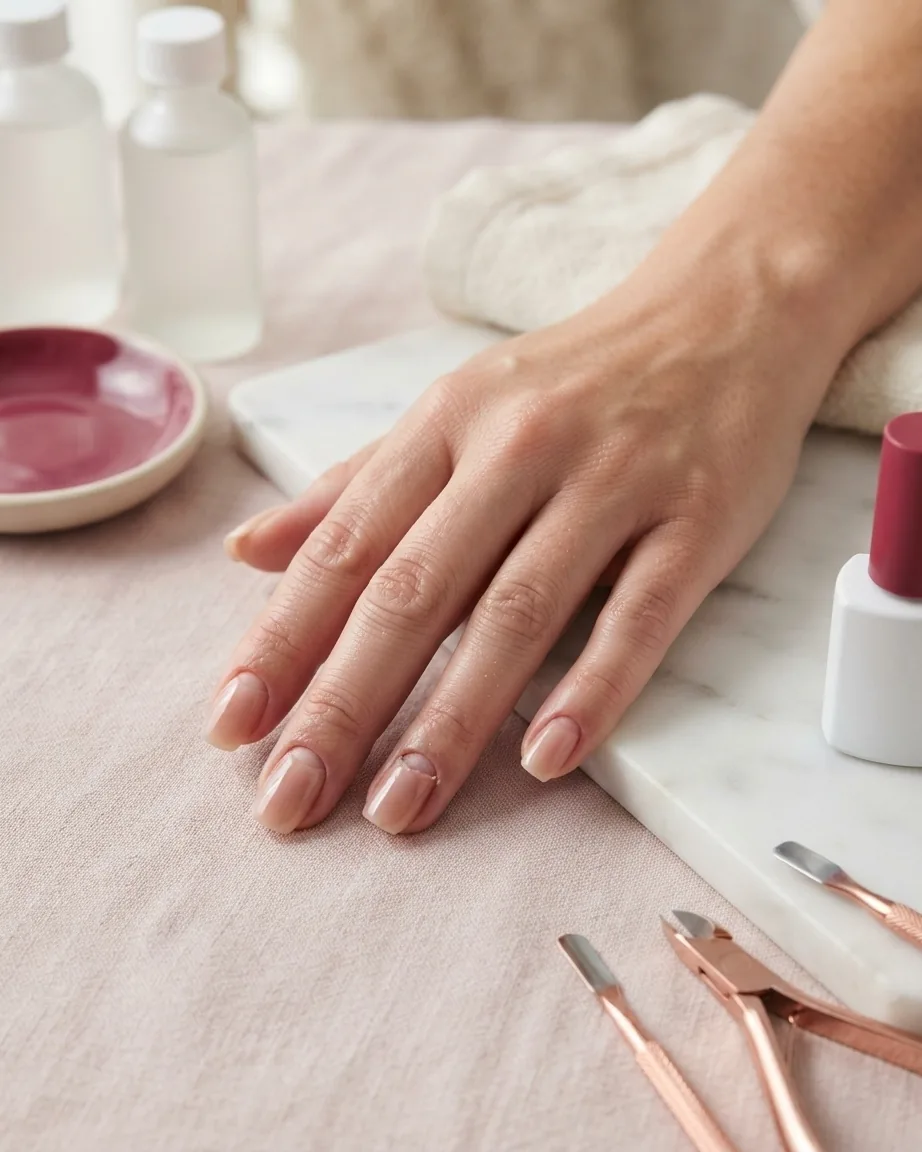
Across salon and brand sources, the fill window clusters tightly. Chaun Legend reports that on average, acrylic nails can last anywhere from 2 to 3 weeks before they need a touch-up. The American Academy of Dermatology sets the same cadence for wearing artificial nails beyond a few weeks: touch-ups every 2 to 3 weeks to fill the gaps that appear as nails grow.
The full-set window is a different event. V Beauty Pure states a full set should last about 4 to 6 weeks, with removal by eight weeks. These are not competing answers to one question; they measure different things. The table below lines up what each source says and which clock it is counting.
| Clock | Window | Source |
|---|---|---|
| Fill interval (close the regrowth gap) | 2-3 weeks, up to 4 | Chaun Legend, AAD |
| Full set before redo | 4-6 weeks, off by 8 | V Beauty Pure |
| Full removal / reset | every ~3 months | StyleSeat |
So “a month” can be correct or late depending on which clock you mean: a month past a fill is overdue, but a month into a fresh set is normal.
What shortens an acrylic set, and how to diagnose yours
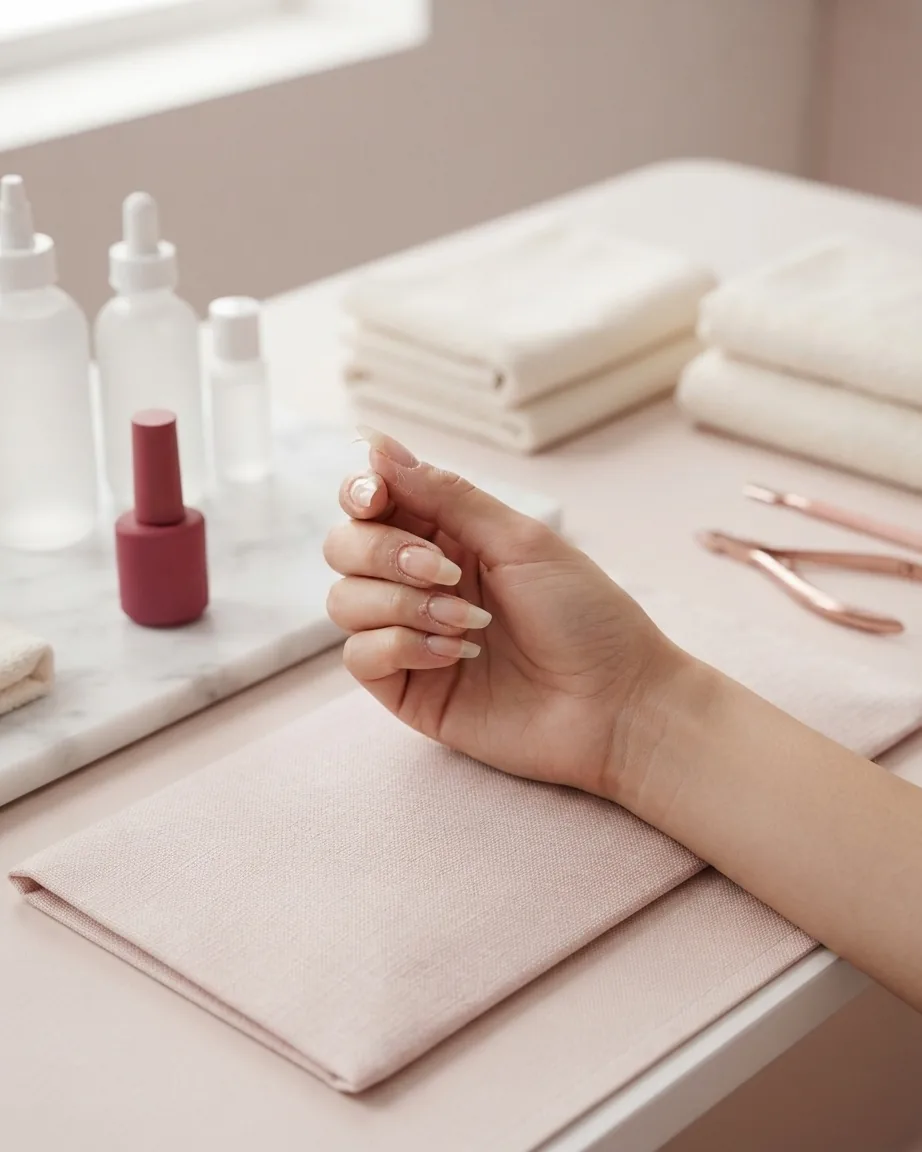
If your sets never reach three weeks, the cause is usually traceable. Blys names application itself first: an incorrect monomer-to-powder ratio or rushed application shortens how long a set lasts regardless of aftercare. That is decided before you leave the chair.
After that, a few habits and choices do the damage:
- Shape and length leverage. Per Blys, a longer, dramatically tapered shape like stiletto or coffin carries more structural risk than a shorter, rounder shape. Length is a lever that pries at the bond.
- Prolonged water exposure. Long soaks work moisture under the product over time, encouraging lifting at the edges.
- Using nails as tools. Opening cans or prying at packaging concentrates force on one point.
- Dry cuticles. Chaun Legend notes dry cuticles can lead to lifting and breakage.
Read the pattern. Repeated breaks in one location, as Element Nail Bar Arcadia observes, may mean your shape or length needs adjusting rather than more glue. For example, if your right index keeps snapping at the same spot each cycle, that is a shape signal, not bad luck.
What a fill actually does to the timeline
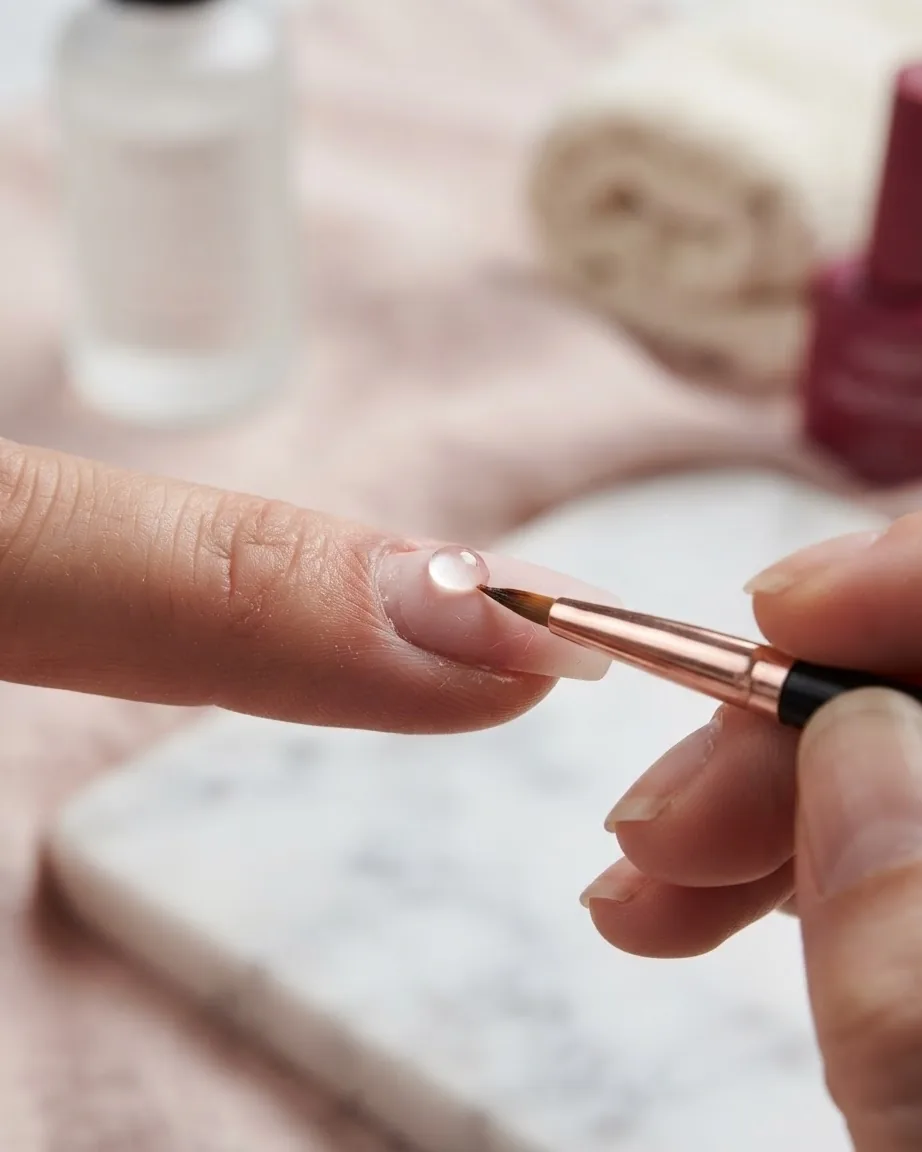
A fill is not a redo. It closes the gap at the base with fresh product and rebalances the nail, but it layers on top of what is already there rather than replacing it, as Blys explains. That is why indefinite wear is possible: with consistent infills every 2 to 3 weeks, a set can be maintained for months without full removal, since each infill refreshes the base.
The catch over time is thickness. Because each infill adds a layer, a set that keeps getting filled grows bulkier and less refined. When the product reads thick or heavy, or breaks keep happening in the same spot, it is signalling a full reset rather than another fill. The AAD advice is worth weighing here: time without artificial nails gives nails a chance to repair.
Upkeep that buys you the extra week
Careful handling is what moves a 3-week set toward 4 weeks. The gains come from protecting the bond and the cuticle, not from any product that promises more.
- Keep cuticles hydrated. Chaun Legend recommends cuticle oil or hand lotion, since dryness around the base invites lifting.
- Wear gloves for wet work. Dishes and long soaks are when water migrates under the edge; a barrier keeps the seal intact.
- Stop using nails as tools. One good pry undoes weeks of careful wear.
- Book before the gap is wide. Scheduling the fill at the 2-week mark rather than chasing it is cheaper and lower-risk.
There is a money angle too. An infill costs less than a full new set, so Blys notes sticking to a regular infill schedule works out cheaper over several months than letting a set grow out and starting over.
The care habits that protect the natural nail underneath
Lasting longer is only half the goal; the nail plate beneath has to survive the cycle. The medical angle most salon pages skip comes from a peer-reviewed review by Arora and Tosti of the University of Miami Department of Dermatology, published in Cosmetics. It describes distal nail plate thinning known as “worn-down nail syndrome” as a combination of chemical insult from acrylic nails and mechanical insult from nail filing. Filing thins the plate; that is the mechanism.
The same review flags a time-based risk: the longer artificial nails are worn, the more pathogens they accumulate. That is why wear time has a health ceiling, not just an adhesion one.
- Resist over-filing the surface between fills.
- Keep the full-removal habit (more on timing below) so the plate gets inspected.
- If you notice persistent pain, discoloration, or lifting that will not settle, treat it as a reason to see a professional, not to self-treat.
What to do when one nail breaks or an edge lifts
One broken nail is not a reason to strip the whole set. A single break or a lifted corner is usually repaired at a fill appointment, where the tech rebuilds that nail to match. The one rule: do not pick or peel. Blys is direct that getting a lifted edge professionally addressed, rather than picking or peeling it off at home, protects the natural nail plate. Peeling takes layers of your own nail with it. If a lift opens a gap you cannot keep clean and dry, or a break reaches the natural nail and hurts, book a professional rather than patching it yourself.
Do acrylic nails need a break? The sources disagree
This one is genuinely contested, so here is both sides rather than a single verdict. The “nails need to breathe” idea is challenged by V Beauty Pure, citing nail scientist Doug Schoon: “Nails get oxygen from your bloodstream; the air has nothing to do with it.” On that view, rough removal is the main hazard, not continuous wear.
The AAD still advises time off, reasoning that breaks let nails repair themselves. StyleSeat frames its three-month full removal as that break in practice. A note on removal day: V Beauty Pure cautions that once the product barrier is off, moisture spreads to the nail bed and plate in as little as 12 hours, so the plate underneath is vulnerable right after removal regardless of which camp you follow.
Where the sources split
The disagreement is less about facts than framing. One side sees damage as a removal-technique problem, the other as a cumulative-wear problem. Both agree that how the acrylic comes off matters, which points to the next section.
Getting acrylics removed and reset the right way
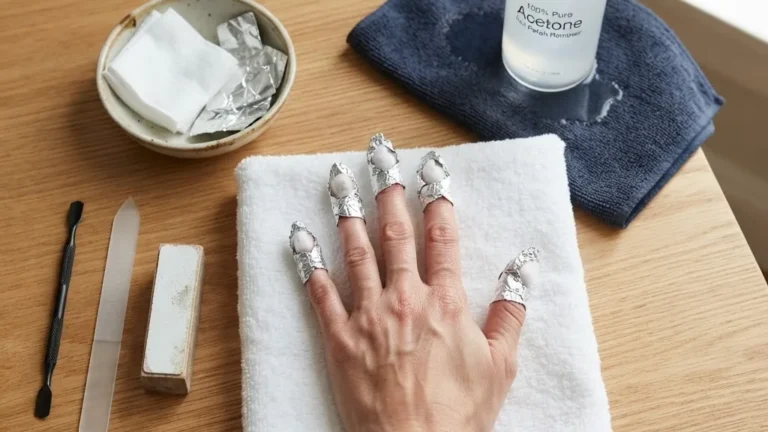
Removal is the step that decides whether your natural nails come through the cycle intact. Done professionally, it is a soak-and-soften process, never a pry-off. StyleSeat reports it generally takes 20 to 30 minutes to remove a set, and elsewhere describes the process as around 20 minutes depending on nail length; both figures come from the same source and reflect the length variable.
Removal timing and cost at a glance
| What | Figure |
|---|---|
| Professional removal time | 20-30 min |
| Full removal cadence | every ~3 months |
| Average removal cost | $16 |
| Removal cost range | $12-$39 |
On safety, the regulatory picture is often misread. Per the FDA, complaints of injury from artificial nails containing methyl methacrylate monomer go back to the early 1970s, and a CIR Expert Panel determined in 2002 that ethyl methacrylate is safe as used when directions to avoid skin contact are followed. No single federal regulation bans MMA outright; restrictions are largely at the state level, so “FDA-banned” is not accurate as a blanket claim.
See also: our nail varnish remover for gel guide.
Reset vs. refill decision
- Check the base: if there is a regrowth gap but the structure is sound, book a fill.
- Count the cycles: if the set has been filled several times and reads thick, plan a reset.
- Watch one spot: if the same nail keeps breaking, adjust shape or length at the reset.
- Track the calendar: at roughly three months, schedule a full removal to inspect the natural nail.
- Treat reset timing as source-dependent: V Beauty Pure advises removal and a fresh set by eight weeks, while StyleSeat suggests full removal at roughly three months.
- If pain, lasting discoloration, or stubborn lifting appears, see a professional before reapplying.
Common questions about acrylic nail lifespan
How long should you keep acrylic nails on for?
A full set is meant to be worn about 4 to 6 weeks, with eight weeks as the point to take them off and start over. If you keep the set going with infills, plan a full removal roughly every three months so the plate underneath can be inspected and any damage caught early.
Can acrylic nails last a month?
Yes, with a caveat about which event you count. A fresh full set reaching a month is normal and within the 4 to 6 week window. But a month past your last fill is overdue, since the regrowth gap opens at 2 to 3 weeks and stretching too far invites lifting or breakage.
How long do acrylic nails last before lifting?
Lifting usually starts as the regrowth gap widens past the 2 to 3 week fill window, and accelerates with water exposure, long tapered shapes, and dry cuticles. Careful handling can push a set toward 4 weeks, but a lifted edge should be addressed by a tech rather than picked, to spare the natural nail.